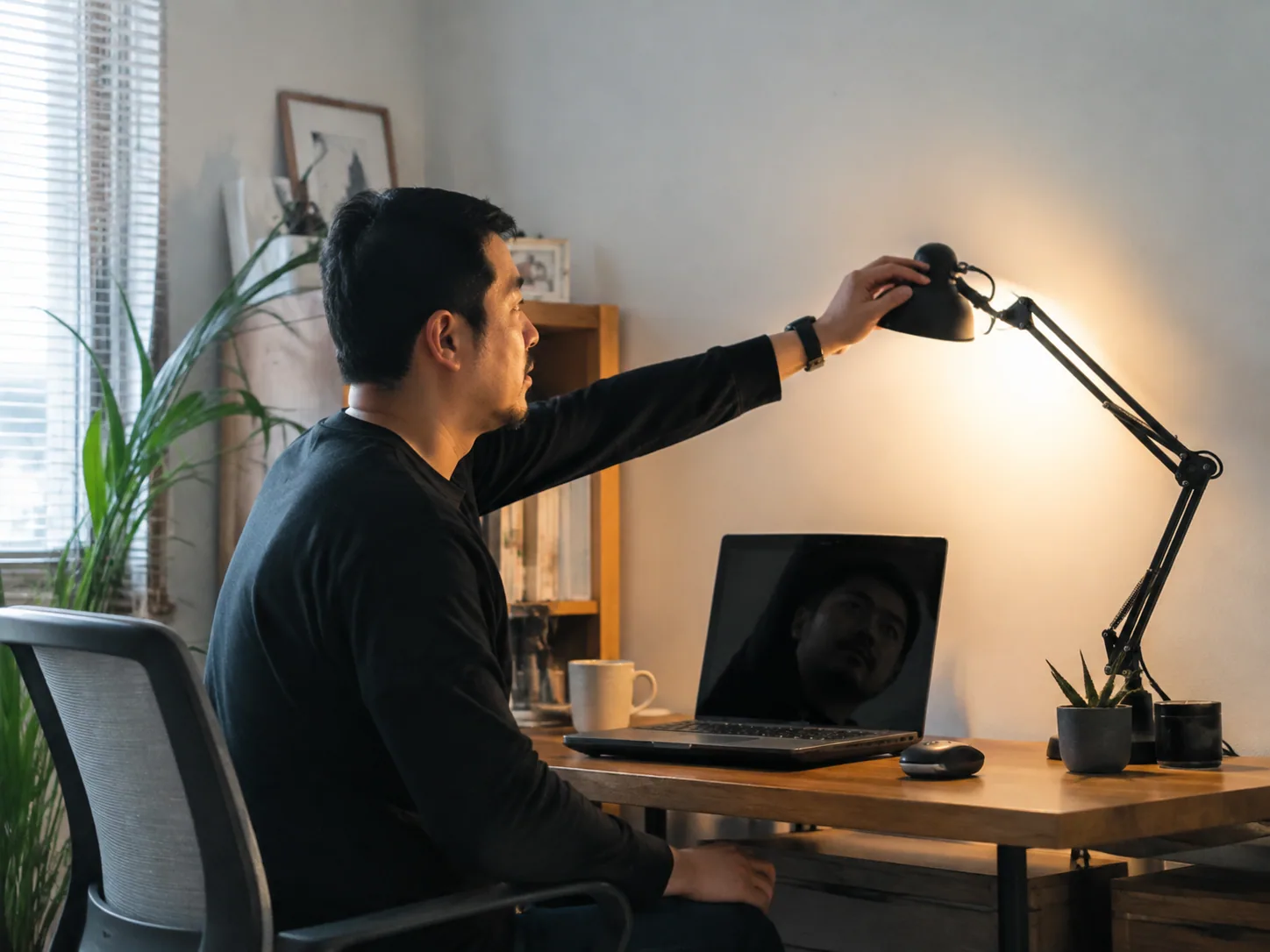
The window lights one side of your face in the morning and the overhead fixture reflects on the screen after lunch. A movable task light can adapt to both moments.
A good desk lamp must illuminate the work without shining into eyes or screens. Arm reach, head rotation, diffusion, and switch access are practical priorities.
Our approach starts with the room and the routine. We compare product formats by published construction, dimensions, care needs, storage demands, and the job each one is designed to do. We do not assign numeric ratings or imply that we personally tested items we have not used.
What to prioritize before you shop
Before opening a retailer tab, look at the space in use. Measure the narrowest opening, note where hands need clearance, and picture the product at the messiest point of a normal week. These three checks prevent most “almost right” purchases:
- Place light opposite the writing hand to reduce shadow.
- Choose an adjustable head that shields the source.
- Check base footprint, clamp thickness, and cord route.
Three formats worth comparing
These are product types, not unverified promises about a specific model. Use the links to compare current dimensions, materials, care instructions, warranty terms, availability, and recent customer feedback directly with the retailer or manufacturer.
Tiny desks and directional light
Articulating clamp lamp
Why it can work: A clamp preserves surface space and a long arm reaches several tasks.
The tradeoff: The desk edge must fit and support the clamp.
Check current options ↗Paperwork and gentle ambient light
Small diffused task lamp
Why it can work: A shaded source reduces hard glare.
The tradeoff: Short reach may require moving the lamp.
Check current options ↗Shared tables without outlets
Portable rechargeable lamp
Why it can work: It moves between work and evening use without a cord.
The tradeoff: Brightness and runtime depend on charging habits.
Check current options ↗What we would skip
Skip a bright exposed light bar placed where it reflects directly in the monitor. More output can create more fatigue if it is poorly controlled.
Also be cautious with vague claims that are not backed by clear specifications or care guidance. A useful product should make its dimensions, materials, operating needs, and limitations easy to understand before checkout.
Make it work in daily life
Use daylight from the side when available, aim the task light at the work surface, and reset brightness when the room changes.
Give the new setup a defined review point after a few weeks. If it moves the mess somewhere less visible, adds a new maintenance task, or blocks another routine, adjust placement before buying additional pieces.
Buying checklist
- Measure the space in use, including door, lid, drawer, and hand clearance.
- Read the care instructions and count the steps between dirty and ready-to-use.
- Check the return window, replacement-part availability, and warranty exclusions.
- Compare the smallest option that handles a normal week—not the largest exceptional day.
- Confirm materials and safety directions are appropriate for your household.
Frequently asked questions
Can a desk lamp improve video calls?
Soft light near face level can reduce harsh shadows, but avoid direct glare and adjust exposure in the calling software.
What color temperature should I choose?
Adjustable models provide flexibility; pick a comfortable setting that supports the task and room light.
Are USB ports important?
Only if they remove a real cable problem. Lighting quality, adjustability, and electrical certification are more fundamental.
Editorial note: This guide is scenario-based and uses general product-format research. Always confirm current specifications and instructions on the manufacturer or retailer page before buying.