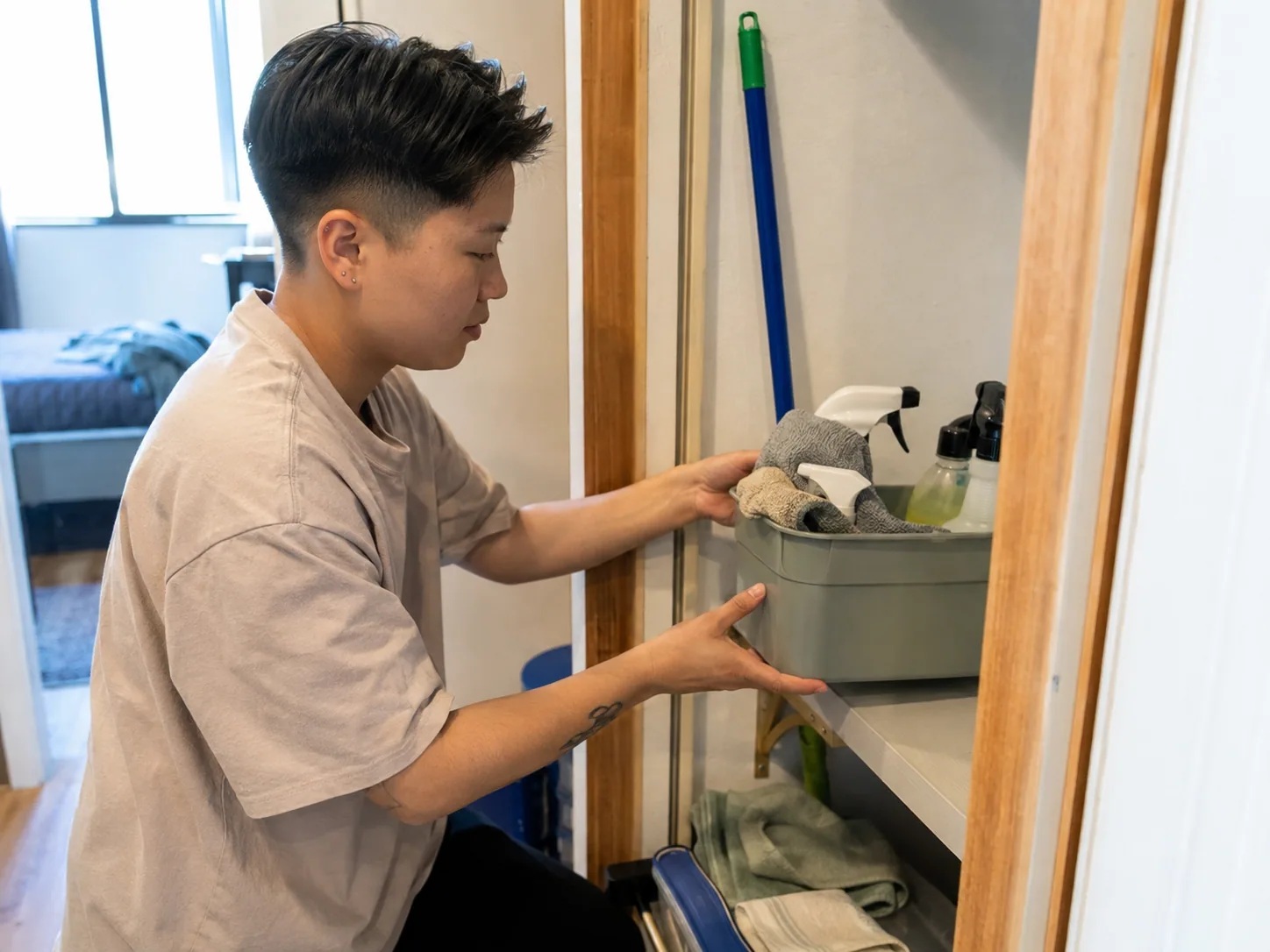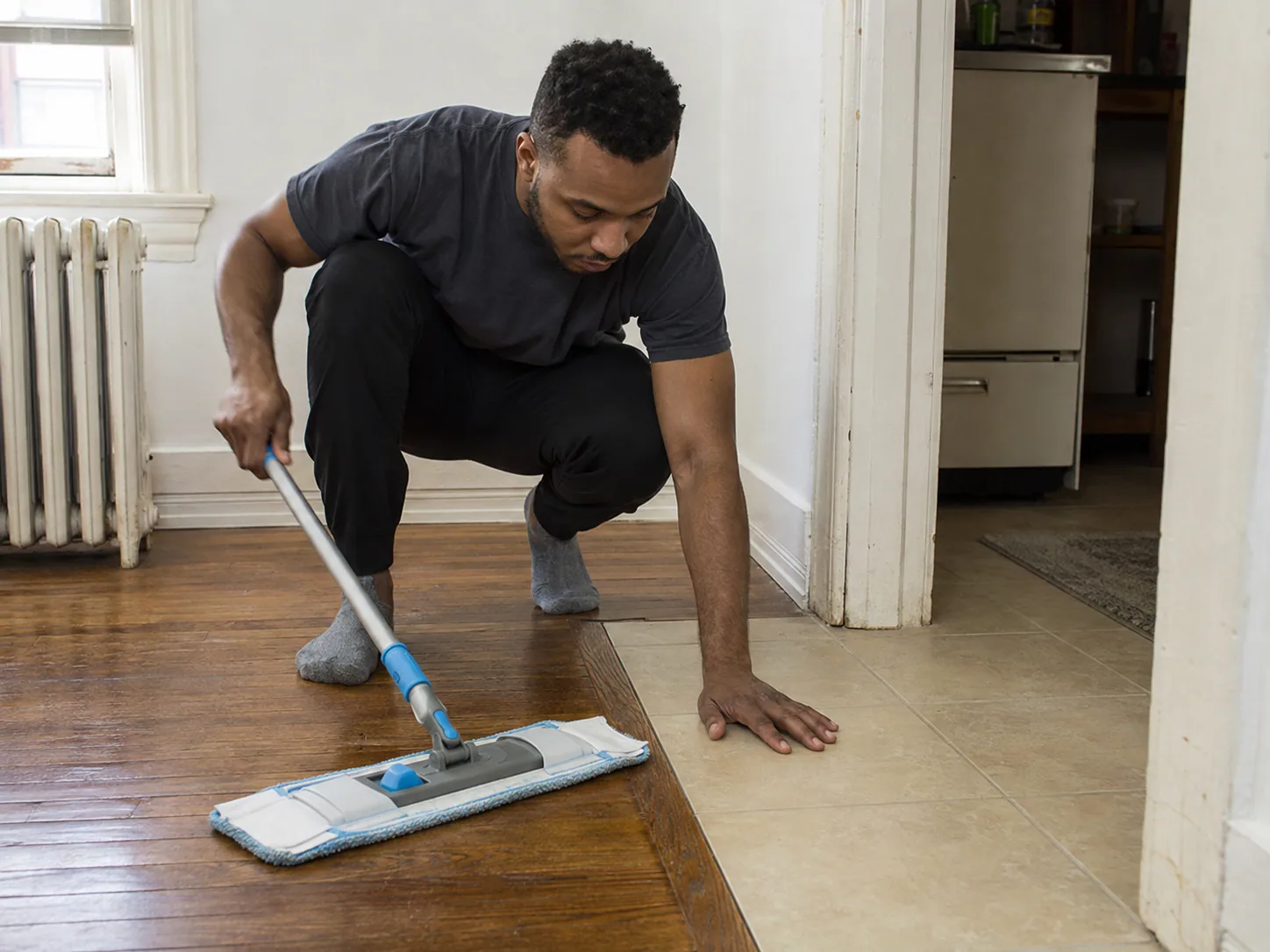
A drink spills across the kitchen while tracked-in grit sits by the door. The right mop depends on the floor finish, how quickly moisture must be removed, and whether you can wash the head.
Marketing often treats every sealed floor alike. Excess water, heat, and harsh cleaner can be unsuitable for some surfaces, so care instructions come before mop format.
Our approach starts with the room and the routine. We compare product formats by published construction, dimensions, care needs, storage demands, and the job each one is designed to do. We do not assign numeric ratings or imply that we personally tested items we have not used.
What to prioritize before you shop
Before opening a retailer tab, look at the space in use. Measure the narrowest opening, note where hands need clearance, and picture the product at the messiest point of a normal week. These three checks prevent most “almost right” purchases:
- Check the flooring manufacturer’s care guidance.
- Choose a head that reaches edges and fits your storage.
- Prefer washable pads if you will maintain them promptly.
Three formats worth comparing
These are product types, not unverified promises about a specific model. Use the links to compare current dimensions, materials, care instructions, warranty terms, availability, and recent customer feedback directly with the retailer or manufacturer.
Quick controlled damp cleaning
Flat spray mop
Why it can work: A refillable bottle meters solution and stores upright.
The tradeoff: Trigger parts and proprietary pads vary in durability.
Check current options ↗Larger tile areas
Spin mop and bucket
Why it can work: The wringer controls water better than hand-squeezing strings.
The tradeoff: The bucket needs substantial storage and drying space.
Check current options ↗Apartments and spot cleaning
Compact microfiber flat mop
Why it can work: It works with a small sink and stores nearly flat.
The tradeoff: Pads require hands-on rinsing or laundering.
Check current options ↗What we would skip
Do not assume steam is safe because a floor looks sealed. Confirm heat and moisture compatibility with the flooring maker before using any steam appliance.
Also be cautious with vague claims that are not backed by clear specifications or care guidance. A useful product should make its dimensions, materials, operating needs, and limitations easy to understand before checkout.
Make it work in daily life
Vacuum or sweep grit first, use the least moisture that completes the job, and dry pads fully before placing them in a closed hamper.
Give the new setup a defined review point after a few weeks. If it moves the mess somewhere less visible, adds a new maintenance task, or blocks another routine, adjust placement before buying additional pieces.
Buying checklist
- Measure the space in use, including door, lid, drawer, and hand clearance.
- Read the care instructions and count the steps between dirty and ready-to-use.
- Check the return window, replacement-part availability, and warranty exclusions.
- Compare the smallest option that handles a normal week—not the largest exceptional day.
- Confirm materials and safety directions are appropriate for your household.
Frequently asked questions
Can one mop handle every room?
Often, if the surfaces allow the same moisture level. Keep separate pads for kitchen and bathroom hygiene.
How often should pads be washed?
Wash after a visibly dirty session or a bathroom clean, following material care instructions and avoiding softener if it reduces absorbency.
Is more cleaning solution better?
No. Excess product can leave residue. Follow the floor and cleaner directions rather than adding extra concentrate.
Editorial note: This guide is scenario-based and uses general product-format research. Always confirm current specifications and instructions on the manufacturer or retailer page before buying.